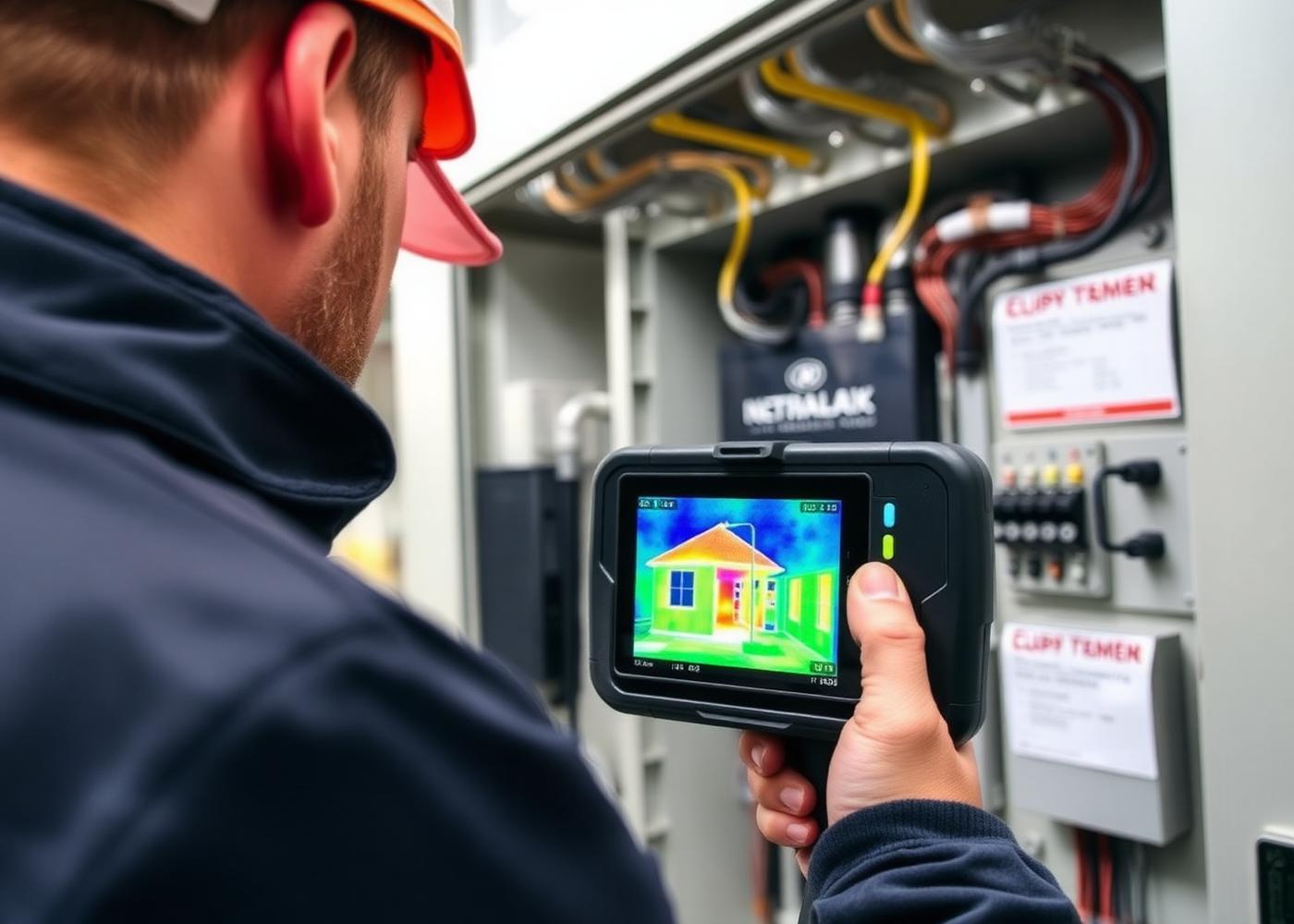
A thermal survey is only as useful as the conditions under which it is performed. Surveys carried out at low load frequently miss developing faults, because the temperature rise at a poor connection is proportional to the square of the current flowing through it. Wherever possible, aim to survey at a minimum of 40 per cent of rated load, and record the load at the moment of imaging alongside every finding.
Access is the second constraint. Infrared radiation does not pass through most enclosure materials, so panels must be opened by an authorised person under a safe system of work, or fitted with infrared windows during a planned shutdown. Infrared windows are increasingly specified in new switchrooms and substantially reduce the risk profile of routine surveys.
Severity classification turns observations into action. A practical scheme grades findings by the temperature rise above a reference — either an identical phase, the ambient air or a documented baseline. Rises below 10 K are typically monitored, 10 to 30 K scheduled for repair, and above 30 K treated as urgent. Publishing this scheme in the report allows the maintenance planner to prioritise without re-interpreting the thermal images.
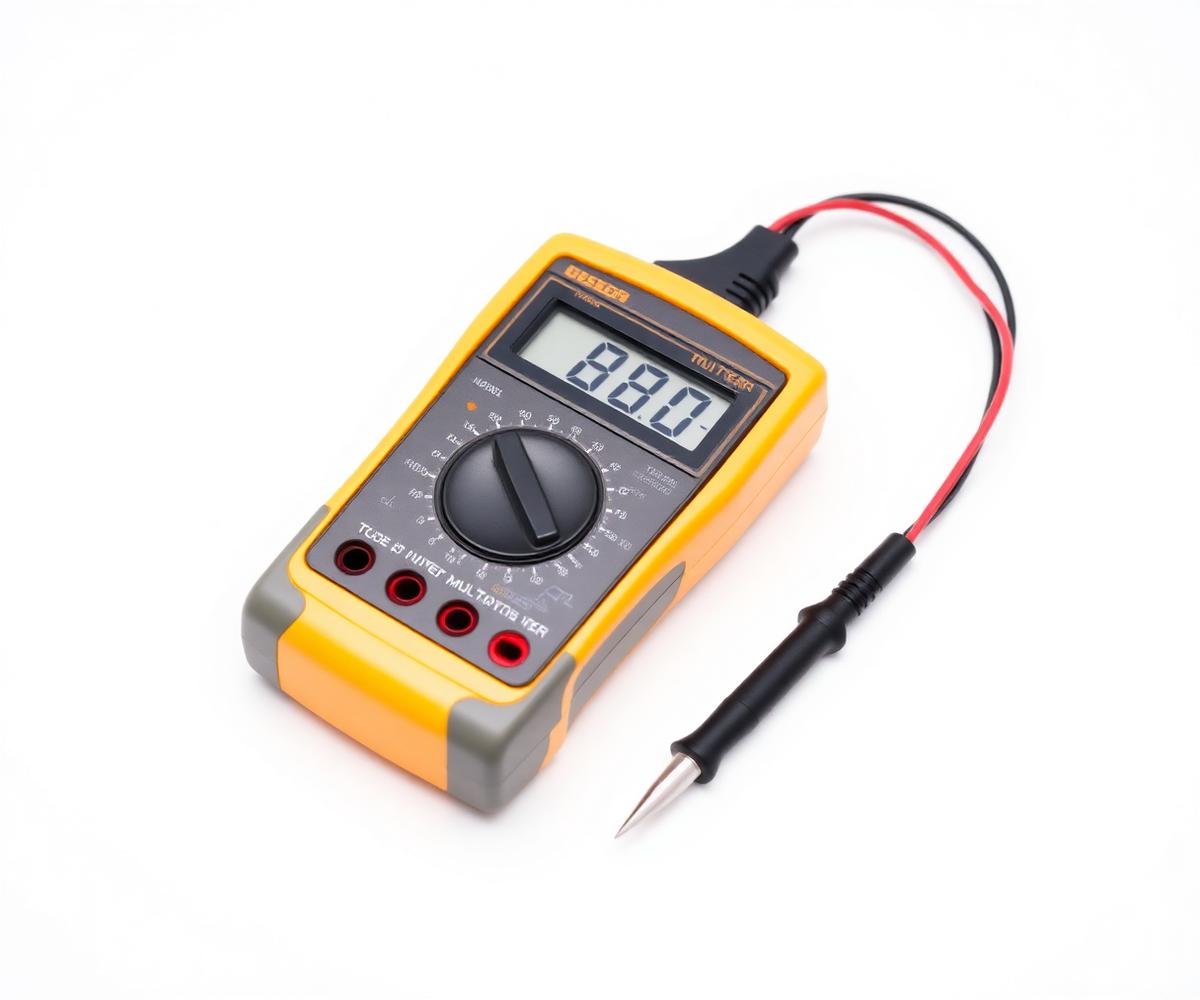
Finally, verify the finding with a second measurement technique wherever practicable. A clamp meter reading confirming unbalanced phase current, or an insulation test result, converts a thermal anomaly into a diagnosis that engineers can act on with confidence.